
Talcum Powder Lawsuits: Ovarian Cancer and Asbestos Exposure Claims
For decades, talcum powder products — especially Johnson & Johnson’s Baby Powder and Shower to Shower — were household staples. They were marketed as safe products for personal hygiene, baby care, and daily use. But mounting scientific evidence, internal corporate documents, and thousands of lawsuits have alleged a troubling link between long-term talc use and serious cancers, particularly ovarian cancer and mesothelioma.
This detailed guide explains why these lawsuits exist, how talcum powder may cause cancer, who may qualify to file a claim, what compensation is possible, and how the litigation is proceeding.
What Is Talcum Powder and Why Is It So Widely Used?
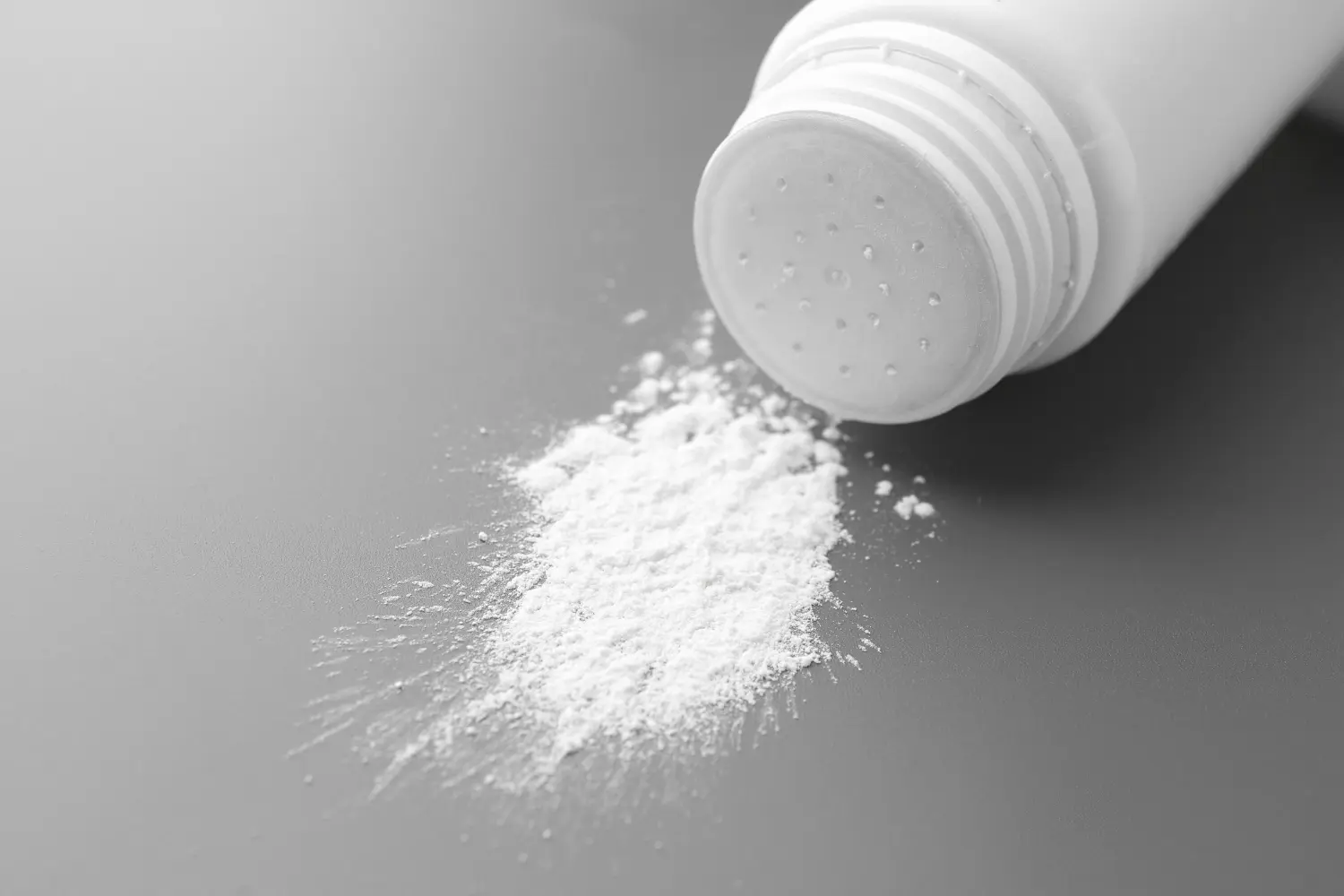
Talcum powder is made from talc, a mineral composed of magnesium, silicon, and oxygen. It’s soft and absorbent, which made it appealing for:
-
Baby care products
-
Adult body and facial powders
-
Cosmetic products (foundation, blush, eyeshadow)
-
Some industrial materials
Until the early 2000s, talc was one of the most common ingredients in baby powders and feminine hygiene products. The products were marketed as safe and women trusted them for everyday use.
But talc is often found near asbestos in the earth. Asbestos fibers are a well-established carcinogen, responsible for mesothelioma and other cancers. Some talc mined in the U.S. was contaminated with asbestos fibers unless tested thoroughly and separated — a process critics say manufacturers did not always implement.
How Talcum Powder Is Alleged to Cause Ovarian Cancer and Mesothelioma
Ovarian Cancer and Talc Use
Scientific theories and plaintiffs’ lawyers argue that when talcum powder is applied to the genital area — such as for feminine hygiene — tiny particles can migrate through the reproductive tract to the ovaries, where they become embedded and cause chronic inflammation, which can lead to ovarian cancer over time.
A 2024 review in the Journal of Clinical Oncology supported a positive association between genital talc use and ovarian cancer, reinforcing arguments presented in court.
Asbestos Exposure and Mesothelioma
In cases where talc was contaminated with asbestos, the inhalation of those fibers can lodge in lung and chest tissues, leading to mesothelioma — a rare but aggressive cancer of the lining of the lungs, heart, or abdomen.
Because asbestos is a known cause of mesothelioma, plaintiffs allege that contaminated talc products exposed users to airborne asbestos fibers, even without awareness.
Major Lawsuit Outcomes and Verdicts
The talcum powder litigation has been one of the largest and most complex product liability mass torts in U.S. history. Some significant verdicts and developments include:
• Recent Jury Verdicts
-
A Los Angeles jury awarded $40 million to two women who claimed talcum powder use led to ovarian cancer.
-
A Minnesota jury ordered $65.5 million to a woman who developed mesothelioma after using talc products.
-
In 2025, a California jury awarded $966 million to the family of a woman who died from mesothelioma linked to talc, including punitive damages.
These verdicts suggest that juries are increasingly willing to award compensation for talc-related cancer claims — but many cases are still being appealed.
• Settlements and Bankruptcy Attempts
In recent years, Johnson & Johnson attempted to settle most ovarian cancer claims through a subsidiary bankruptcy plan, but a judge rejected one such proposal as unfair to claimants.
J&J has also reached a $6.5 billion agreement to resolve nearly all ovarian cancer lawsuits, though that deal does not cover mesothelioma claims and remains complex in implementation.
Who Is Eligible to File a Talcum Powder Lawsuit?
To qualify for a talc cancer lawsuit, victims typically must show:
• Product Use
Regular use of talcum powder products (especially on or near the genital area for ovarian cancer cases) for several years — often four or more.
• Cancer Diagnosis
A confirmed medical diagnosis of:
-
Ovarian cancer
-
Mesothelioma
-
In some cases, other asbestos-related cancers
In ovarian cancer claims, successful plaintiffs often used talc between ages 22–65 and developed cancer after extensive exposure.
• Link Between Talc and Cancer
Medical records, pathology reports, and evidence of talc or asbestos in tissues can strengthen a claim. While not every case requires microscopic evidence, a well-documented exposure history helps.
Surviving family members can also file wrongful death claims if a loved one died from cancer linked to talc exposure.
Types of Compensation Available
If a talcum powder lawsuit succeeds, compensation may include:
• Medical Expenses
Past and future costs for cancer treatment, surgeries, medications, and other care.
• Lost Income and Earning Capacity
If illness prevented work or reduced earning potential.
• Pain and Suffering
Compensation for physical pain, emotional distress, and diminished quality of life.
• Punitive Damages
Awarded by juries to punish defendants for especially reckless behavior, such as failing to warn consumers about known risks — though these can be reduced on appeal.
The Scientific and Legal Debate
While juries have awarded large verdicts, talcum powder litigation remains contentious. Johnson & Johnson and other manufacturers continue to argue:
-
Their products were tested and did not contain asbestos.
-
Talc’s link to ovarian cancer is not definitively proven.
-
Many scientific studies do not show a clear causal relationship.
J&J emphasizes independent research supporting product safety and has consistently stated that talcum powder is safe and asbestos-free.
Nevertheless, internal documents plaintiffs’ lawyers have uncovered and recent scientific findings continue to fuel litigation and public concern.
How Talc Lawsuits Are Organized and Proceeding
Thousands of talcum powder claims are consolidated into multidistrict litigation (MDL) in federal court, while many others proceed in state courts.
MDLs allow pre-trial coordination for discovery, expert testimony, and rulings on legal issues such as admissibility of evidence. Individual cases may still go to trial or settle individually.
With new verdicts and global actions — including lawsuits in the UK alleging similar harms — talc litigation continues to evolve.
What Should You Do If You or a Loved One Is Affected?
If you have:
-
Used talc-based powders regularly, especially over years or decades,
-
And have been diagnosed with ovarian cancer or a related asbestos-linked illness,
you may have a legal claim.
Steps to Take
-
Talk to Your Doctor to document the diagnosis and discuss any suspected links to talc exposure.
-
Collect Medical Records including cancer pathology and treatment history.
-
Document Product Use — receipts, photos, and details about how often and where talc was applied.
-
Contact an Experienced Attorney who handles talc and product liability cases.
Many law firms offer free case evaluations and handle lawsuits on a contingency fee basis, meaning you pay nothing unless you receive compensation.
Final Thoughts
The talcum powder legal battle has highlighted serious concerns about product safety, corporate transparency, and consumer protection. While manufacturers deny wrongdoing, thousands of lawsuits, significant jury verdicts, and evolving science have kept these cases in the spotlight.
If you or a loved one were diagnosed with ovarian cancer or mesothelioma after long-term use of talcum powder products, seeking legal advice promptly can help preserve your rights and explore options for compensation.